Coyote In Central Park

The 2010 Central Park Coyote on The Pond

You may have seen some news about the Coyote that’s been seen in Central Park lately. We’ve had sightings consistently over the last few years in the park. Late winter is a common time for sightings. Many young Coyotes are pushed out of their family units in the late winter, and a few have been wandering into Manhattan each year.

I followed a Coyote in 2010 and had a wonderful experience. At the time, we’d had some negative outcomes with previous Coyotes in the Manhattan, and I wrote about the issues. The questions at the time was do you try and capture the Coyote or just let it stay. Given the experiences of other cities, the answer seems to be just let it be.

If you use the category search on the right, and select Central Park Coyote 2010, you’ll see what I wrote back then.

A new resource that might be helpful if you’re interested in Urban Coyotes is the Gotham Coyote Project website.

Snow and Water

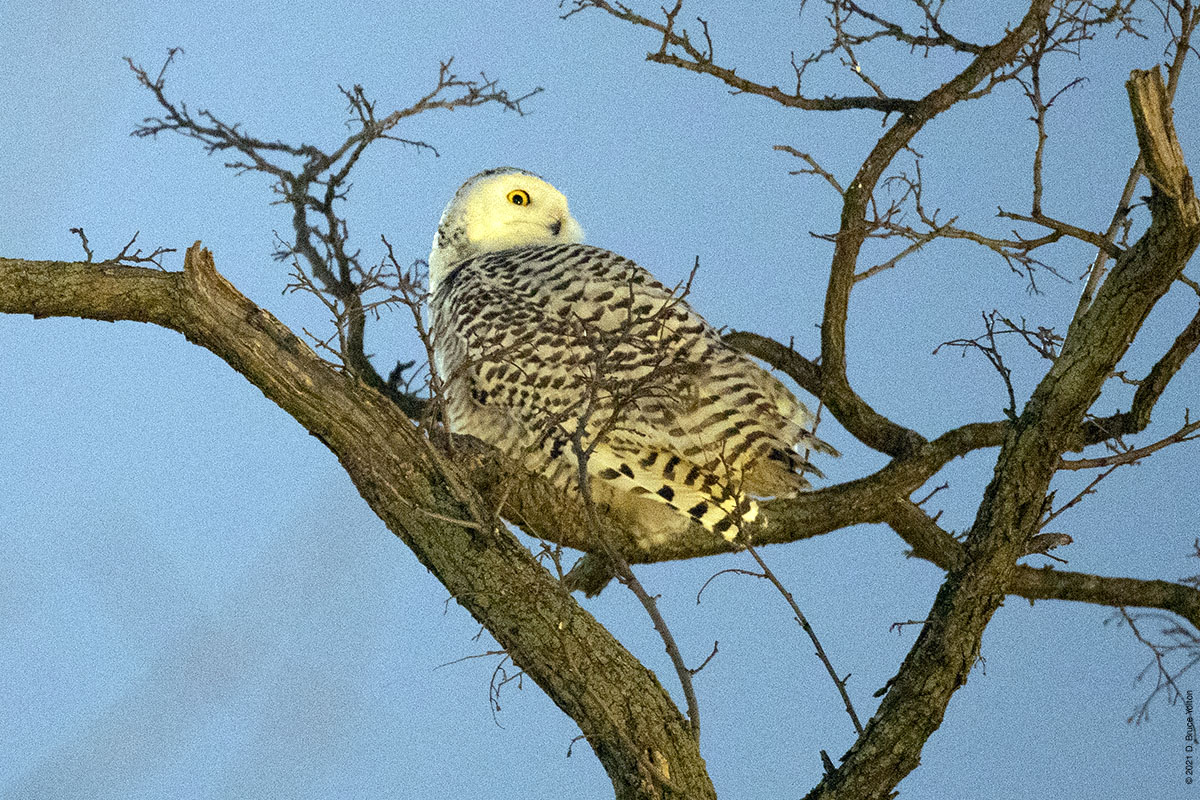
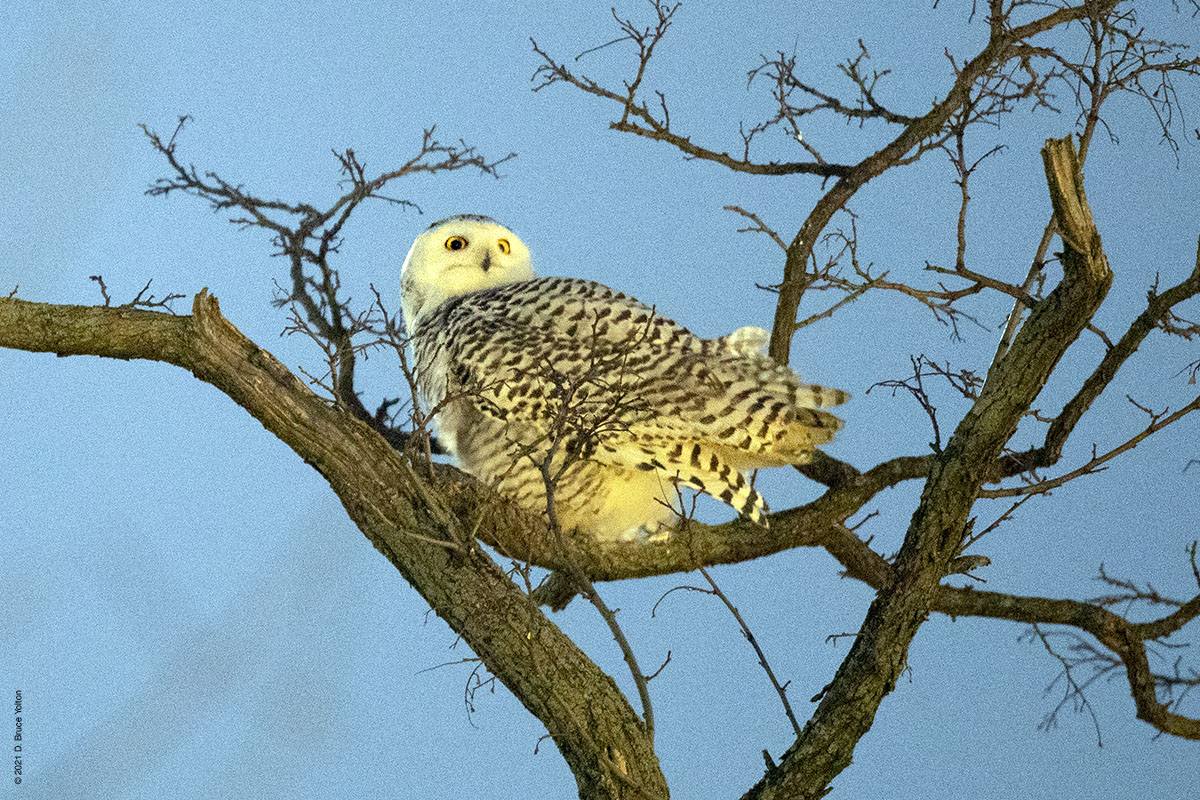
The Snowy Owl has been appearing on one of Central Park’s North Meadow ballfields at dusk each day since it arrived. Ballfield 3, 4 and Ballfield 10 seem to be favorites stops.

On Sunday, February 7th, the owl appeared from the west and landed on Ballfield 10, then flew west and we relocated it on top of the Ballfield 4 backstop (where the owl was first seen the day it was discovered). The owl then few down to the field, but quickly took off possibly to the north. We searched but couldn’t find it.

We then joined the group who was waiting for the owl to appear at the North Gatehouse of Reservoir. It appeared and left after a few minutes. The crowd was well behaved on SuperB Owl Sunday, although there were some flashes and autofocus assist lights.

It will be interesting to see what more we learn about this owl. It certainly has been seen in the area north of the Reservoir and south of the North Meadow, but where it is hunting and where it is hiding during the day remains a mystery.

American Tree Sparrow Using eBird

I’ve run across lots of new birders lately that don’t know how to use eBird to see the observations of other birders in the area. It’s a fantastic tool, and much more comprehensive than the feeds available on Twitter. Even if you aren’t ready to record your birds on eBird yet, there are some great resources on the site.

Before I go out birding for the day, I look at the:
New York County Rare Bird Alert

On any given day, you’ll see the rare birds being seen, can click through to details and sometime photographs, and also see who is seeing the birds. (If you’re a registered eBird users, you can have this list sent to you hourly or daily via email.)

The details can be very helpful. They usually have more specific location information but also other great details. For example, a sighting of a Red-shouldered Hawk might be a fly over or a bird that has been around for a few days. A fly over might not be worth looking out for, but a bird that has been seen for a few days is worthy of keeping an eye out for.

Looking at who is reporting the bird is also very helpful. Sometimes a birder will make an entry error when doing a report. This happened this week with 50 Cackling Goose being reported. I saw the name, which I hadn’t seen before and knew it was someone learning eBird and mistakenly reporting Cackling Goose rather than Canadian Goose. We all make mistakes while learning to report birds! But if one of the top birders in the county reported 50 Cackling Goose, I would be making a trip to look for them.

I don’t normally run around after these birds, but I do modify my itinerary based on the alerts. So, with the American Tree Sparrow, when I saw we had lots of sightings in the last week, with reports from the Ramble, the Compost Heap, Green’s Bench in Central Park and Randals Island, I kept an eye out for them.

Knowing the American Tree Sparrow had been seen regularly at the feeders in the Ramble, I spent extra time there and got to see one fly in after a Red-tailed Hawk left the area. Sometimes the rare bird alert has me going to the Reservoir, The Pool or the North Woods instead of my usual walk in the Ramble based on what’s being reported.

In addition to using the Rare Bird Alert, there are two other eBird tools that come in handy.

eBirds Species Maps (requires you to have an eBird account):
American Tree Sparrow

eBirds Bar Charts:
New York County (Manhattan)

The maps allow you to see where a specific species is being seen, and the bar charts tell you when something will be seen. These both come in handy.

For the American Tree Sparrow, the bar chart says February is a good time to look for them.

This is helpful since a bird being reported out of season, might show up as a rare bird but might be much easy to find in later months. A warbler that’s for some reason decided to stay the winter in a pocket part in Manhattan might not be worth going after, for example.

In the fall, there was a couple at the Evodia feeders desperate to see a Yellow-belled Sapsucker, as they had seen all of the other common woodpeckers in the area. I said, I think you’re looking too soon. So, I got out my phone and looked at the frequency bar chart. I was right. The birds historically arrived a few weeks later. I said, worry about this bird in two week. They easily got the bird two weeks later.

For those of you outside of Manhattan, just go to the eBirds Explore page. You will see how to set up alerts for your area there.

For more information on how to start using eBird, click here.

Snowy Owl In The Snow

On Thursday night, February 4th, I had a Zoom meeting and then ate dinner. I saw reports of the Snowy Owl being seen again in Central Park, so I decided to visit the park around 9:00 pm.

I ran into a person who I’ve met a few times at the Evodia Feeders and one of the Barred Owls. This person said the owl had just left and was headed north.

I tried to think like an owl and thought a large snowy field would be a likely spot to relocate the owl. After some walking around, the person I had bumped into by chance found the owl. Wire fencing was in the way of our view, and we started to walk towards a low fence. The snow had an icy crust and the crunch was enough to make the owl move on. (I felt horrible that I had flushed the owl, but we had been more than 150 yards away and I didn’t realize the snow was crunchy. Accidents like this happen even if you’re careful!)

It would have been great to just have seen the owl for a few seconds, but luck was on our side. We walked around the area and scanned the fields. My new acquaintance said, “There’s the owl, oh sorry it’s a snowman.” But I had already lifted my binoculars and I said, “Yes that’s a snowman, but the owl is right next to it.” Luckily the heavy markings of this bird make it easy to pick up in snow.

The Snowy Owl was eating a Brown Rat in the snow. The light was very dim, and we were about 250 yard away but somehow my camera was able to pick up the owl in the low light. The images won’t win any awards, but they will give you an increadible insight into what this owl is up to in the park.

We were about to watch the owl for over an hour and twenty minutes. It took its time eating the rat. It then cleaned its beak and talons in the snow and then did some playful short flights before flying off.

I’ve been lucky to have had many magical moments with nature. But this ranks in the top ten. To see a Snowy Owl eat a rodent, in the middle of Central Park was unreal. If I hadn’t recorded it, you won’t believe me if I told you the adventure.