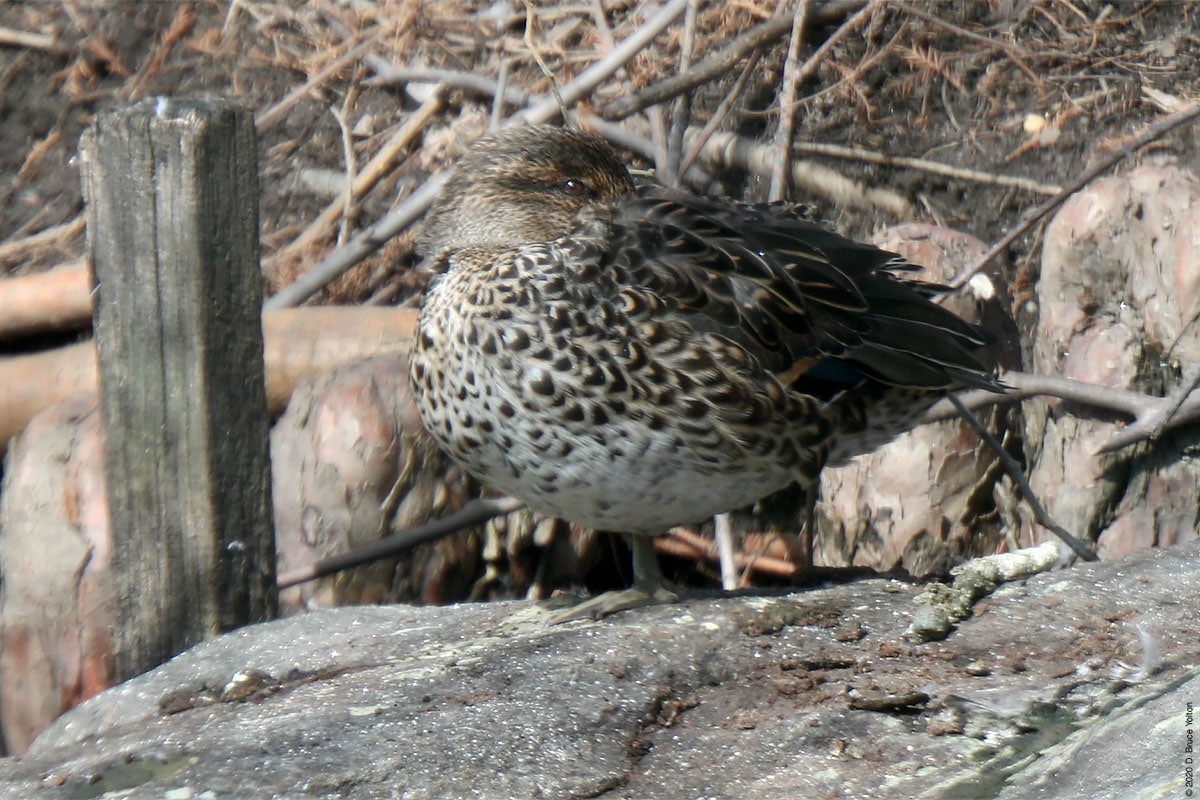
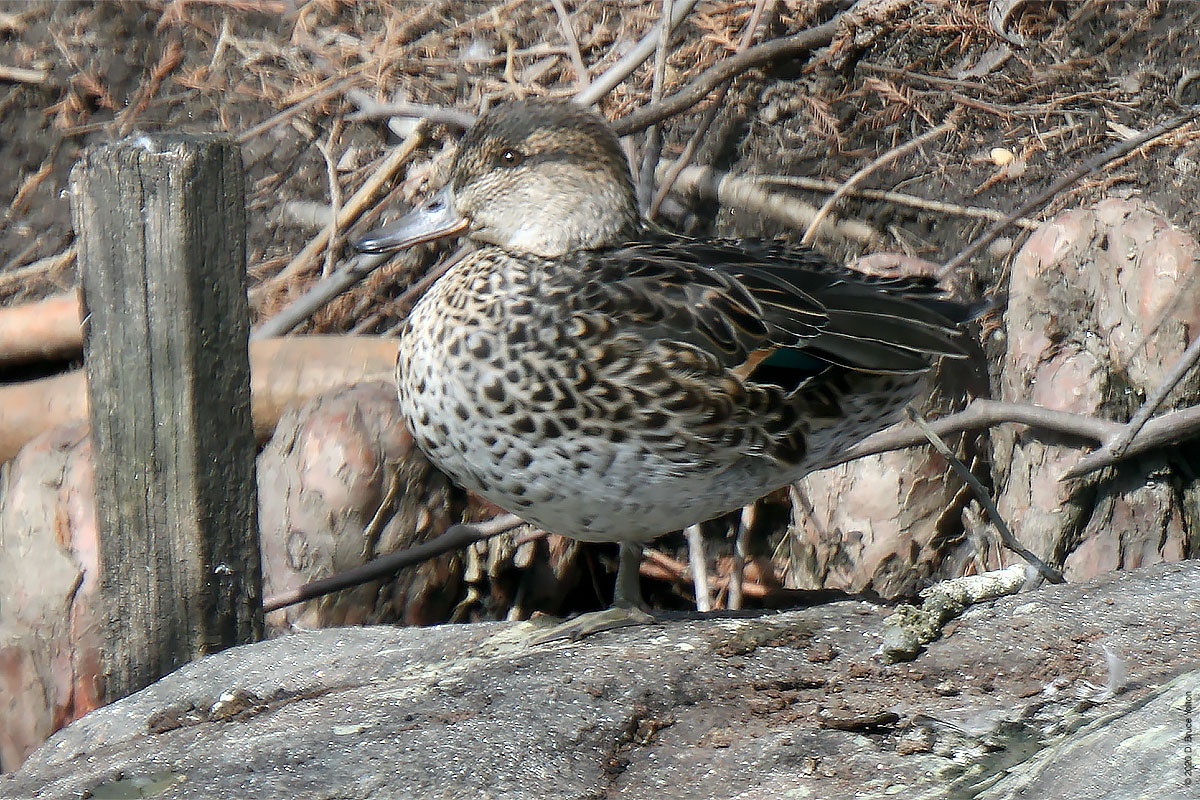
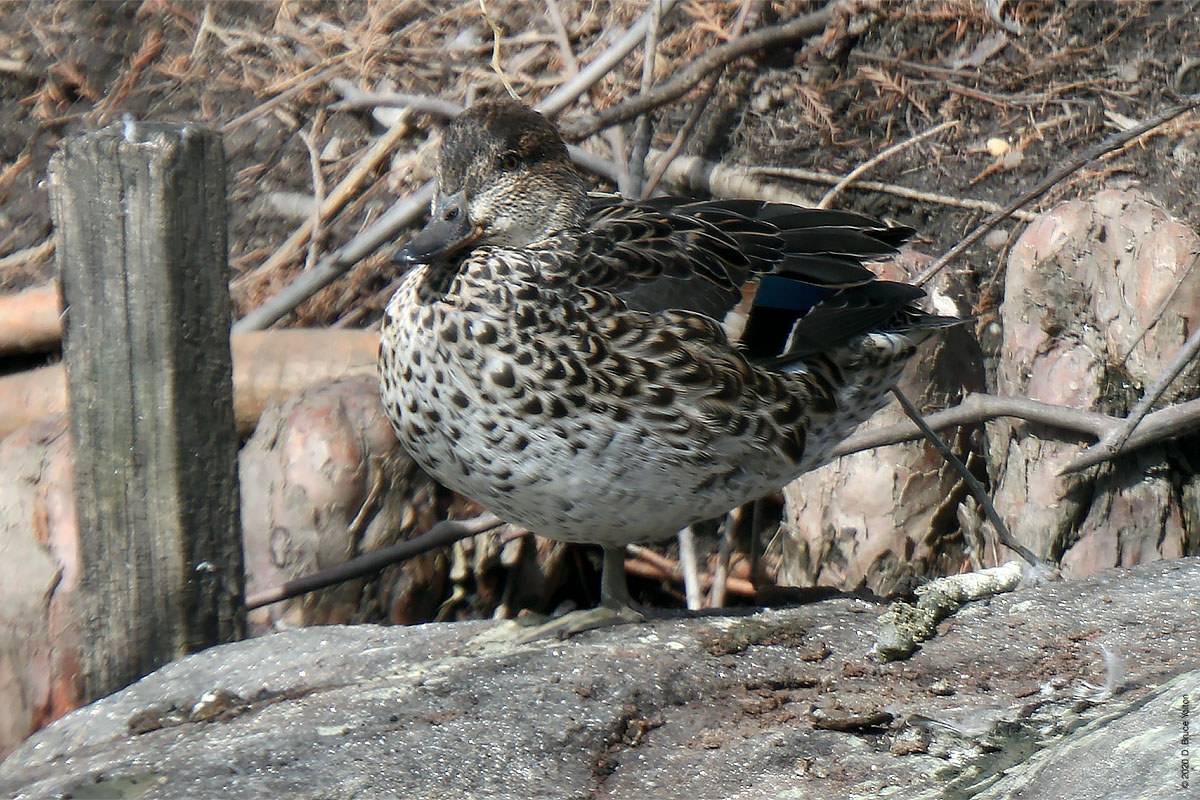
Graylag Goose (possible Graylag Goose x Swan Goose Hybrid)

A Graylag Goose, which has been seem for at least a week on the Reservoir was on The Lake of Central Park today.  The spotted black/yellow bill coloration and white feathers around the bill, suggest that it is most likely a Graylag Goose x Swan Goose Hybrid.  The bird is most likely an escapee from a poultry farm.

We used to have a number of Domestic Duck/Mallard hybrids on The Pond and The Meer and we had the Mandarin Duck last winter.  So, another hybrid is just par for the course I guess.

20200219_Graylag Goose_01
20200219_Graylag Goose_02
20200219_Graylag Goose_03
20200219_Graylag Goose_04
20200219_Graylag Goose_05
20200219_Graylag Goose_06
20200219_Graylag Goose_07
20200219_Graylag Goose_08
20200219_Graylag Goose_09
20200219_Graylag Goose_10

Another Three Raptor Day

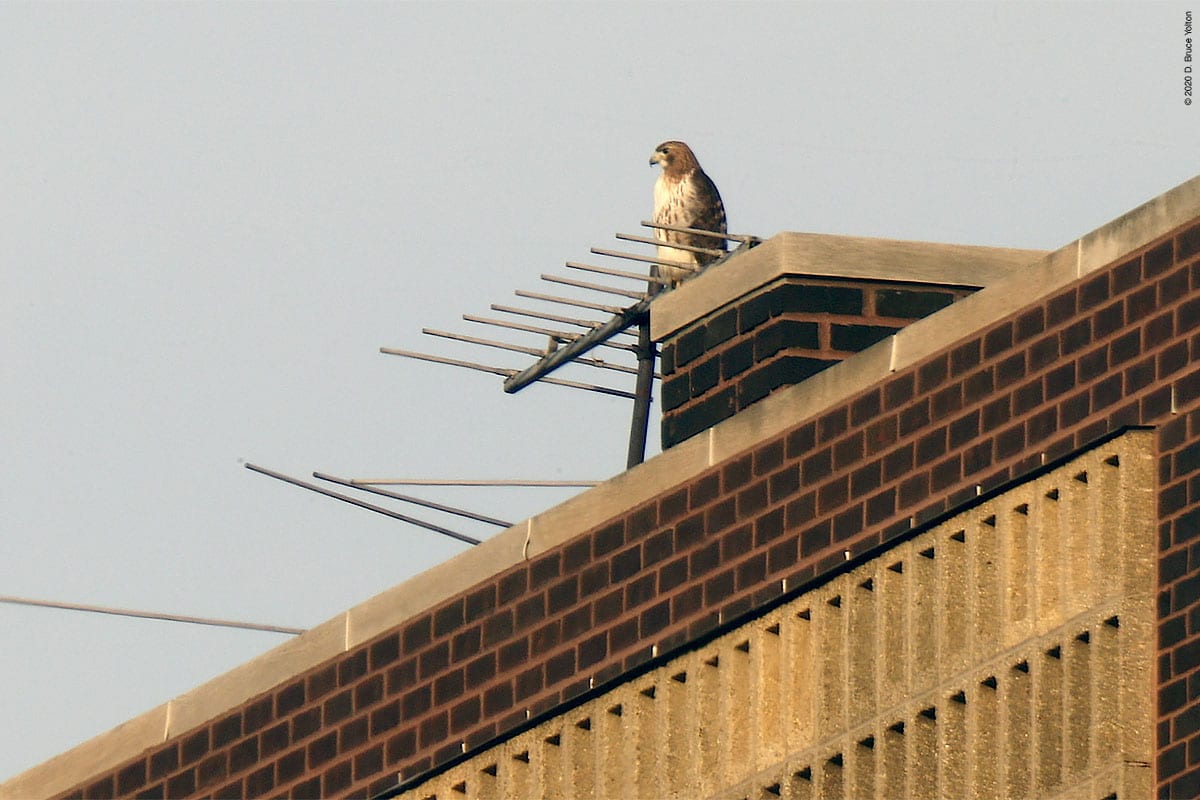
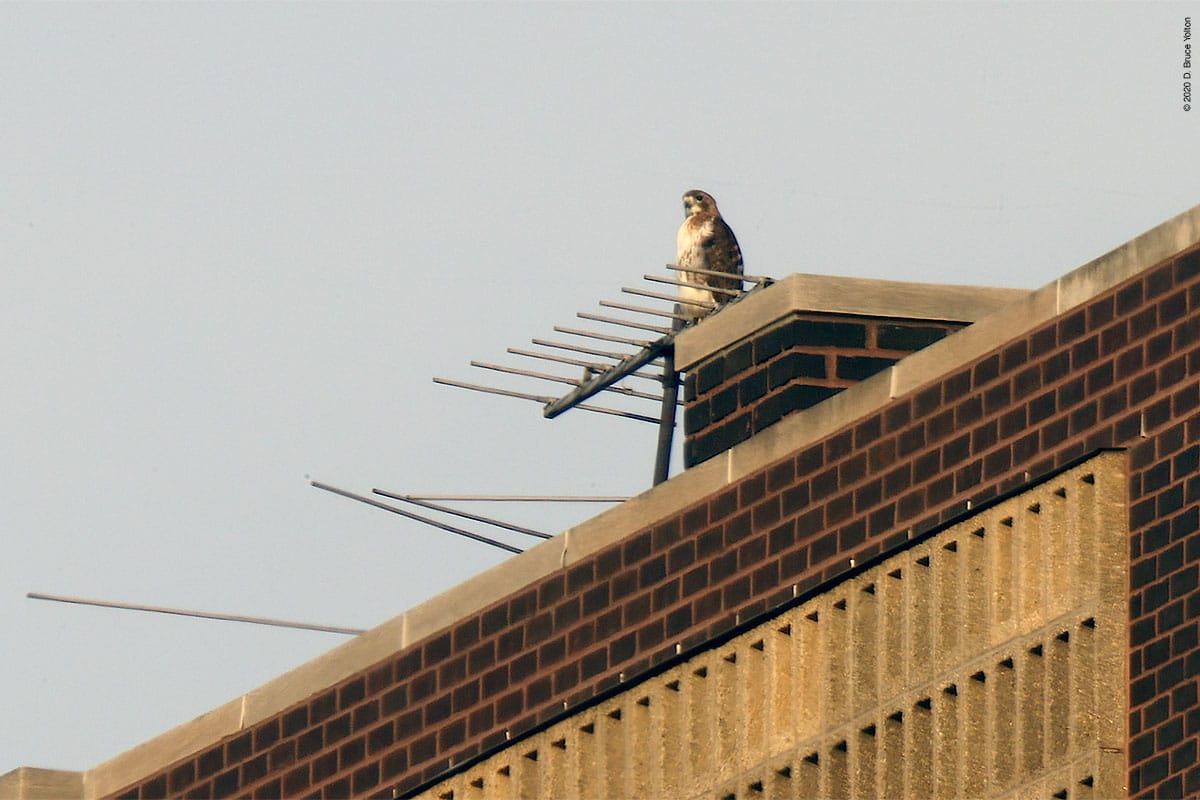
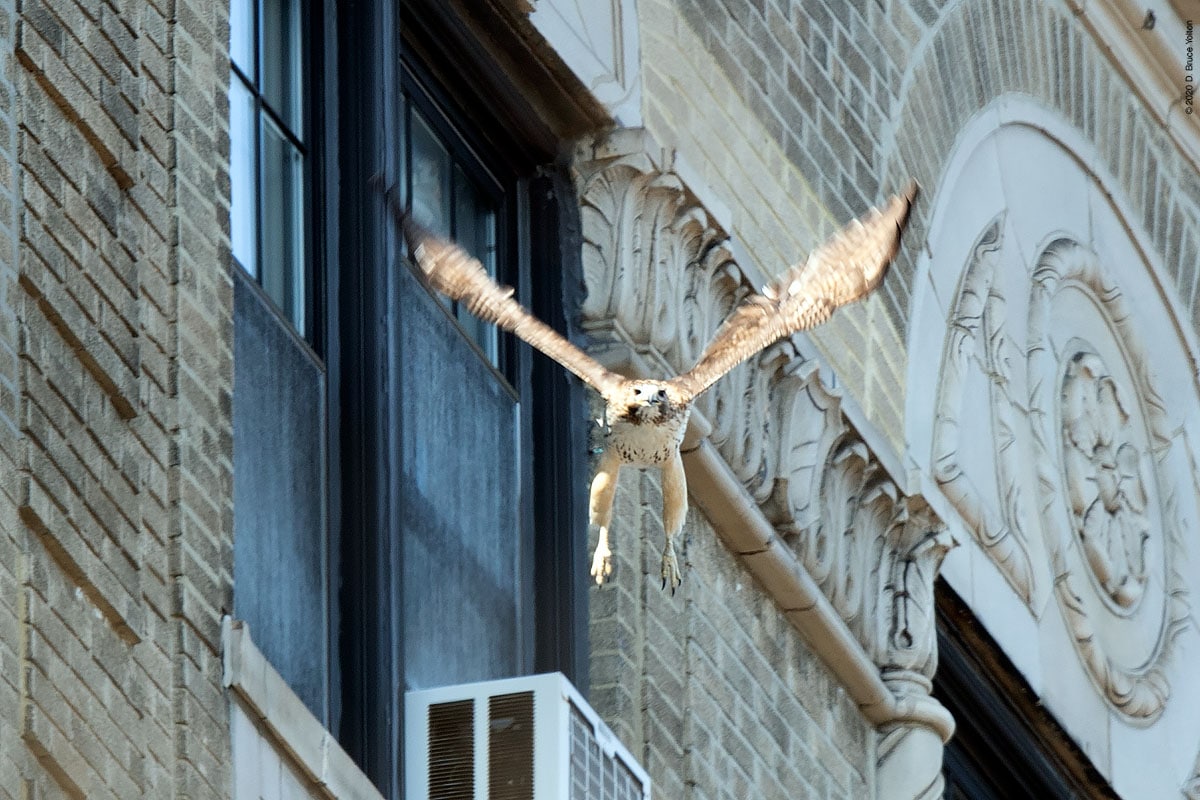
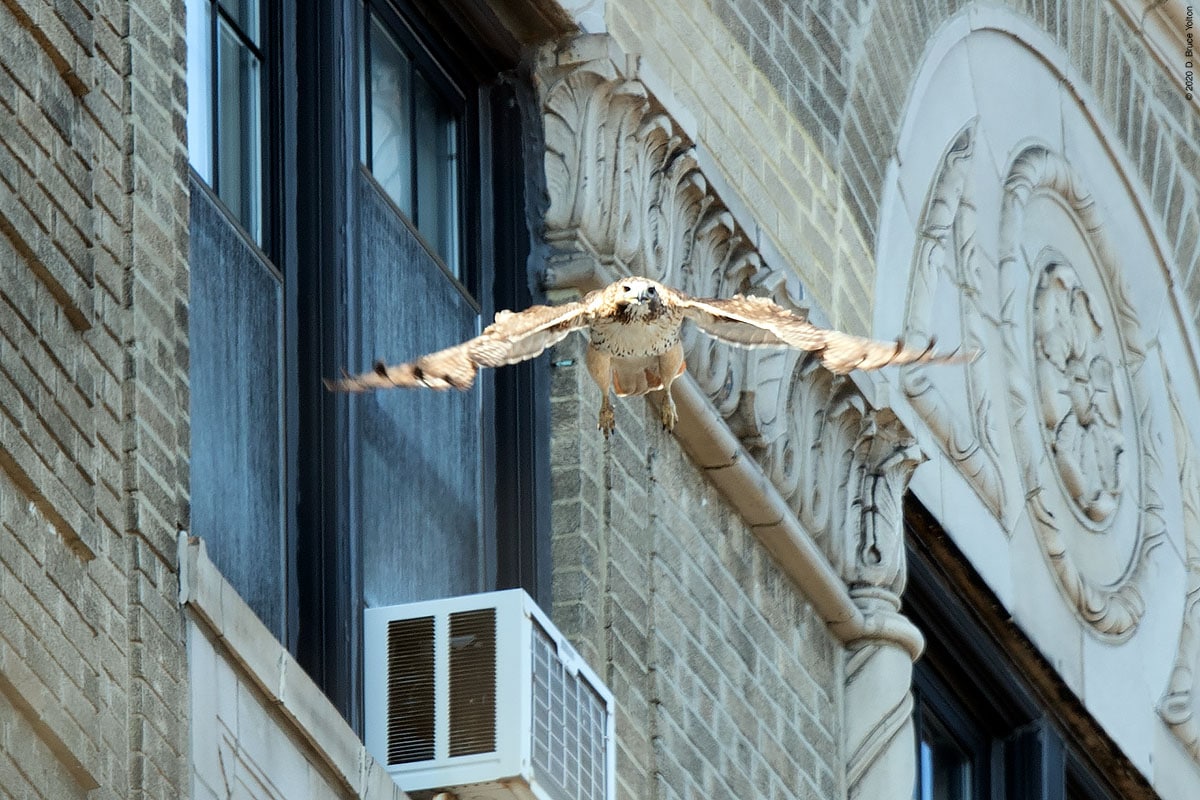
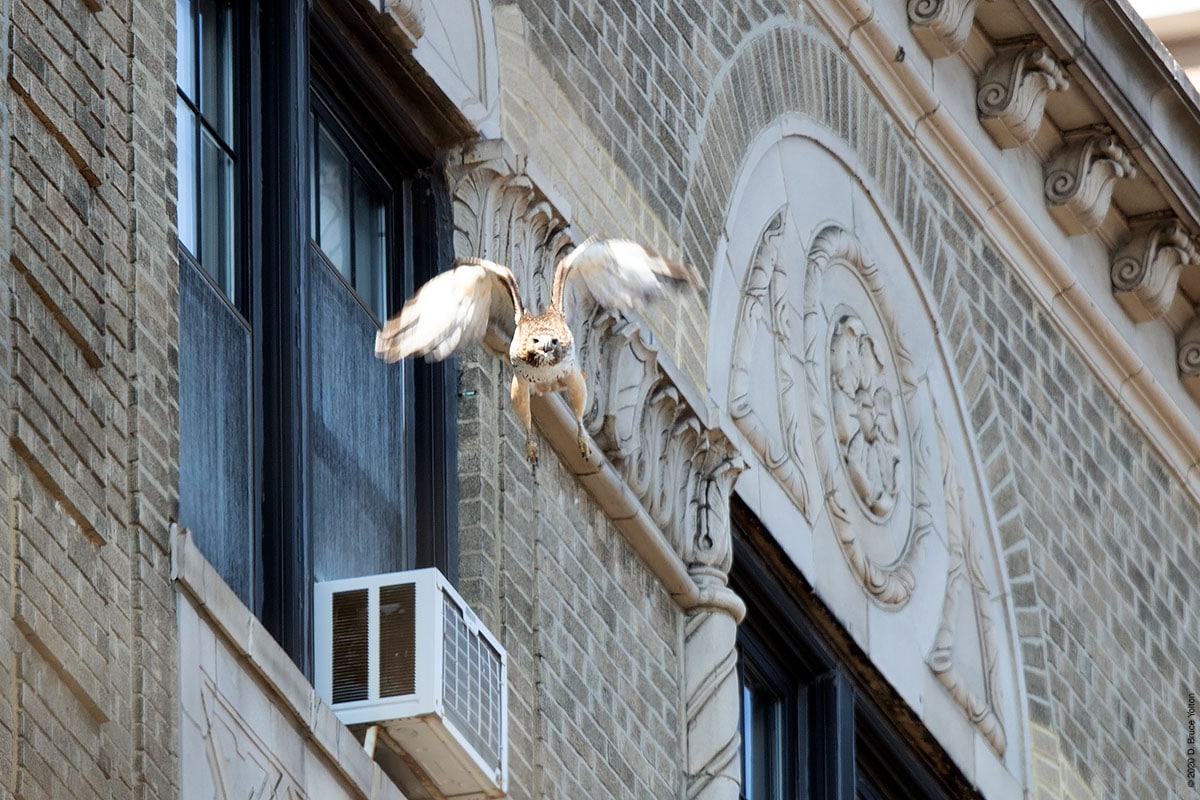
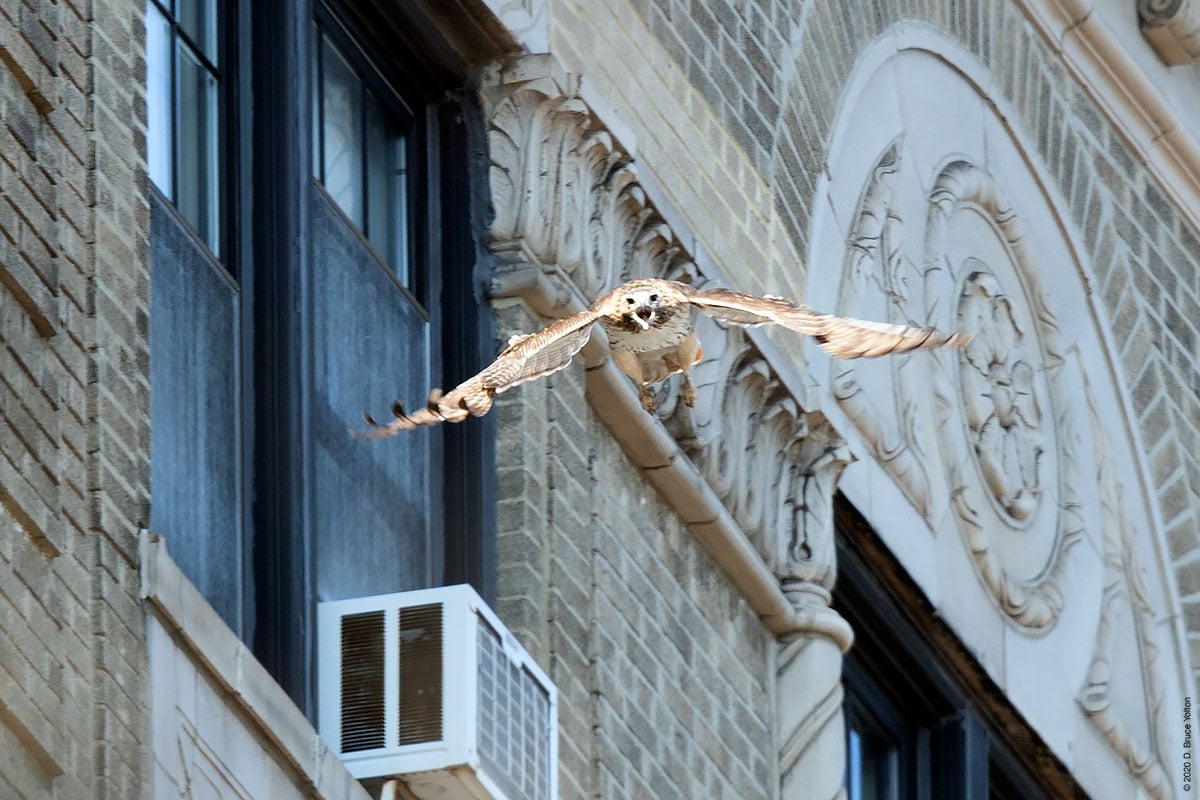
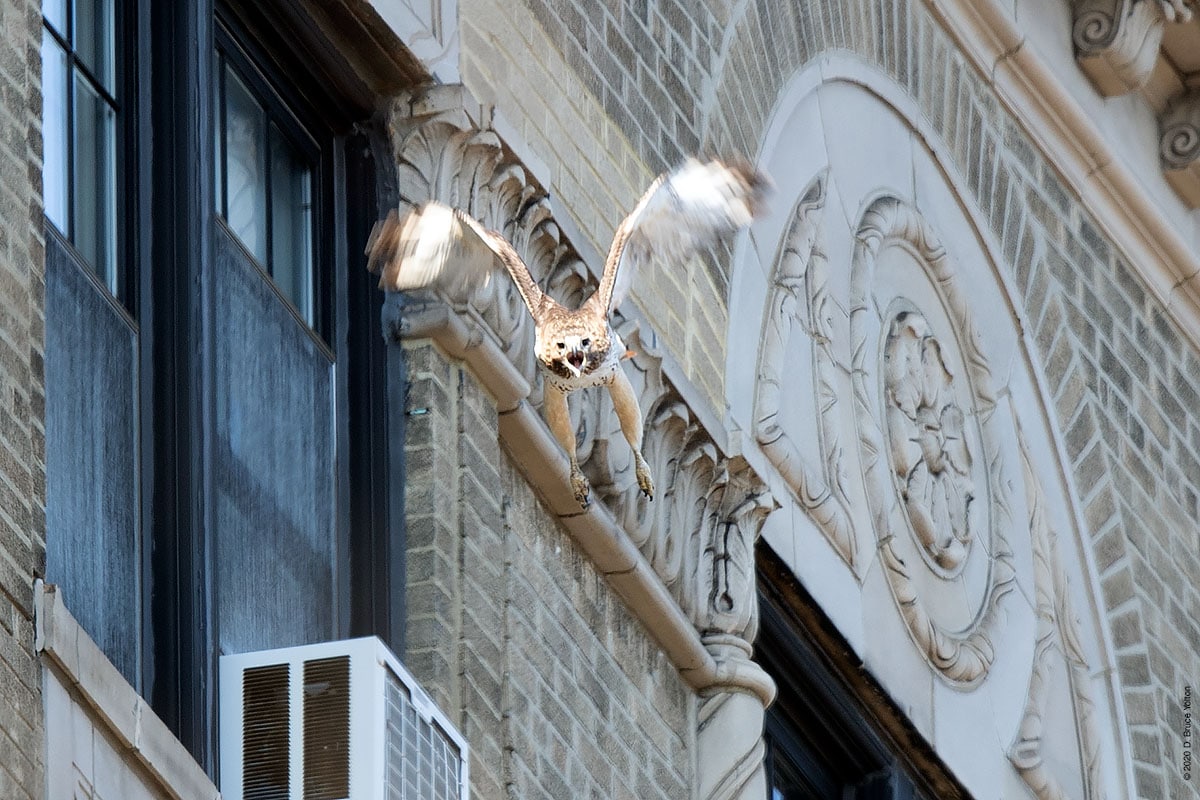
Central Park has been very quiet this winter.  Birds number are low, and many of our standard winter species are hard to find.  But three species of raptors, are consistently being seen, Red-tailed Hawks, Cooper’s Hawks and Peregrine Falcons.

The park has a number of Cooper’s Hawks, mostly juveniles spending the winter.  On Friday, two were working the Evodia Field feeders.  One of them caught a sparrow.  While eating it, the other tried to steal the food without success.

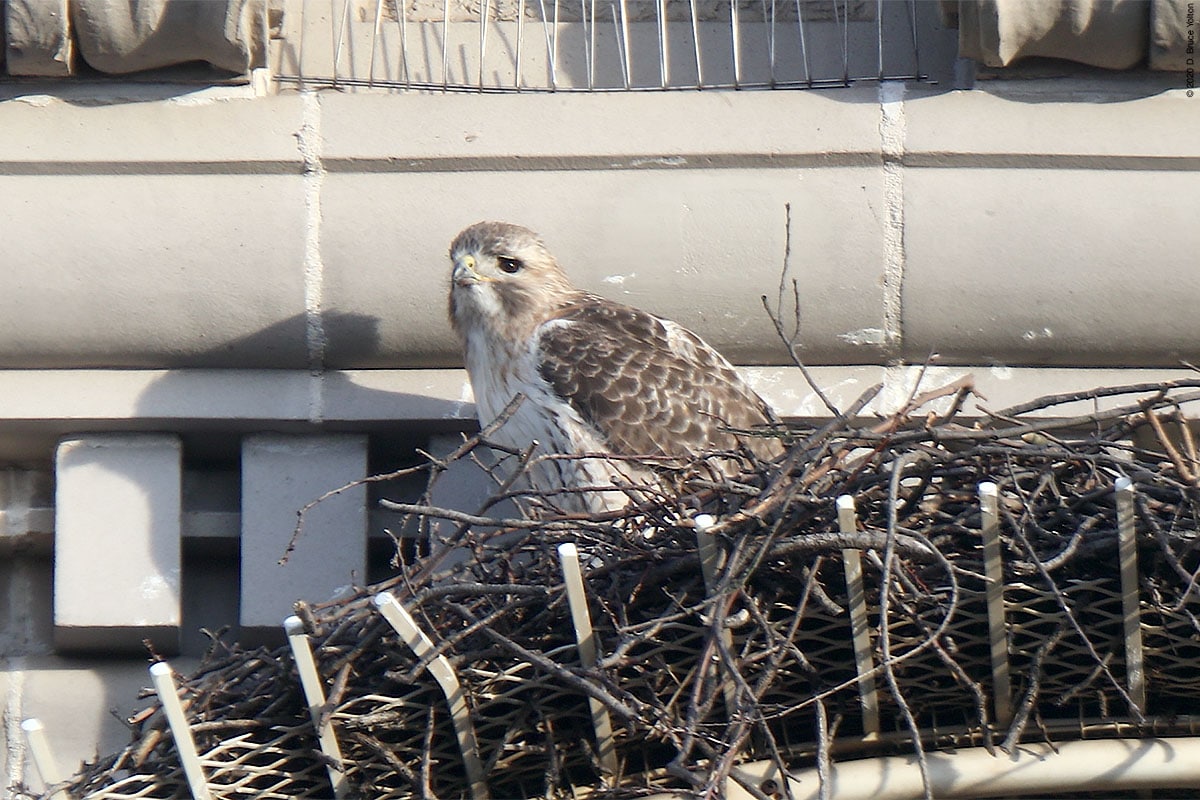
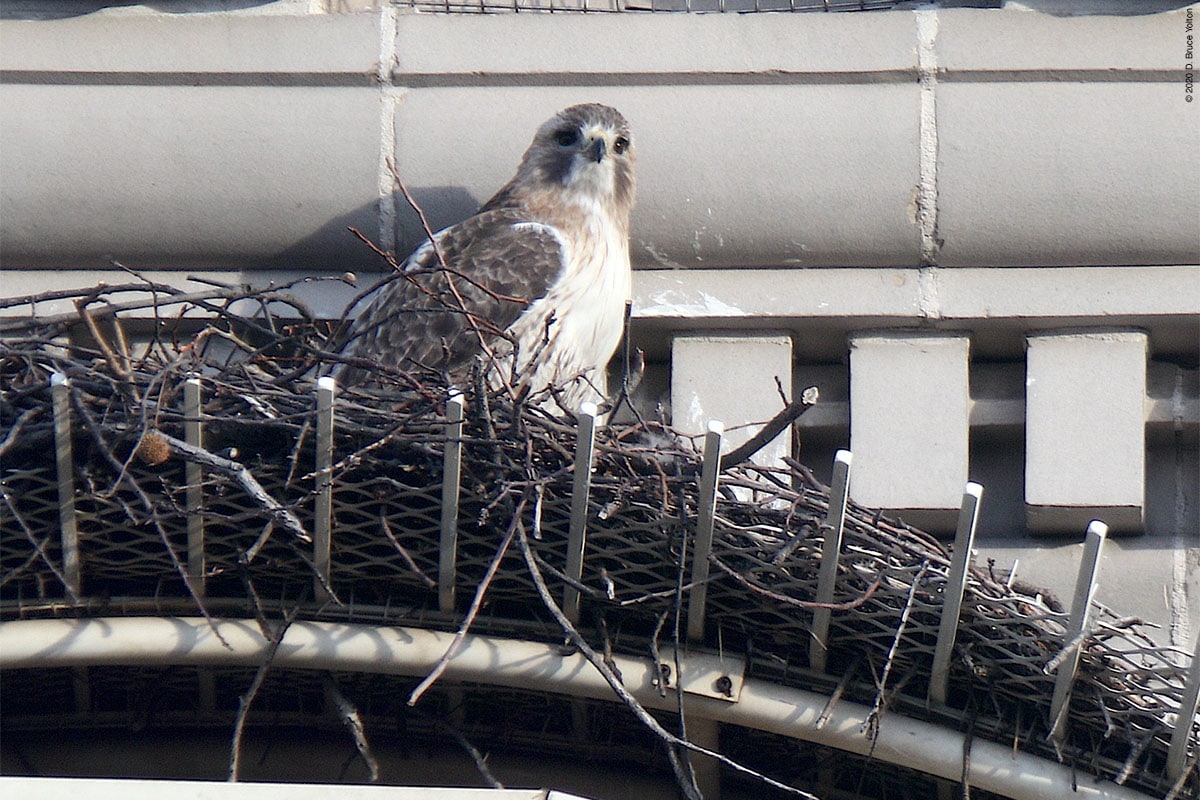
On my way north, I ran into Pale Male sunning outside the Maintenance bathrooms.  Central Park had no fledglings last year. The pair at 95th Street/CPW lost their young about two weeks after they hatched and the adult female died.  Pale Male and Octavia, who were not seen copulating last year, did not have their eggs hatch.  And the pair on the San Remo, laid eggs without a nest yet again.

So, it will be interesting to see what happens this year.  There definitely are three adult pairs of hawks in the park, with possibly a forth (59th and Fifth Avenue) or fifth pair (north of Mount Sinai).  After Valentine’s Day, we should be seeing lots of copulation and nest building activity.  Let’s hope we have at least one successful pair this year.  Keep an eye out for activity over the next eight weeks.

Further north, the lone Peregrine Falcon that has been on the El Dorado, was there yet again. 

20200214_01
20200214_02
20200214_03
20200214_04
20200214_05
20200214_06
20200214_07
20200214_08
20200214_09
20200214_10
20200214_11
20200214_12

Three Raptor Day

If you told me before I started bird watching in Central Park that it was easy to have a three raptor day, I would have called you a liar.  But in the winter it’s fairly easy.  On Thursday, I had a Cooper’s Hawk eating a house sparrow, a Red-tailed Hawk eating a Rock Pigeon and a Peregrine Falcon.  All within a block of the tennis courts.

New York, New York, what a wonderful place to live and bird.

2020013001
2020013002
2020013003
2020013004
2020013005
2020013006
2020013007
2020013008
2020013009

Riverside Park Bald Eagle

For the last few days, a Bald Eagle has been seen in Riverside Park.  It was reported again today around 116th Street.  I went up to have a look and at first didn’t see it, but it flew over me at around 114th Street before perching near a Red-tailed Hawk at 108th Street.  The Red-tailed Hawk left it alone for awhile but then took a pass at the Bald Eagle, coming within a foot of the eagle.  The Red-tailed Hawk landed nearby but then flew up to a branch a few feet higher than the eagle.  They then had a standoff for at least an hour.

The Red-tailed Hawk eventually left and the Bald Eagle flew down to 95th and the Hudson River’s edge.  It stayed for about half an hour before flying back north.

Eagles nest all up and down the Hudson River Valley.  In the winter, when the river freezes, they end up as a large group around Croton-On-Hudson, New York, where the tides break up the ice making it easy to catch fish.  It is not uncommon to see over 80 Eagles in the Croton area in the winter.  When there is ice on the river, the eagles ride the tidal ice flows from Croton to Manhattan. 

So, while we don’t see eagles much in Manhattan, this is the perfect time to be on the lookout for them.  The colder it gets, the better chance you’ll have to see one!

20200123BAEA01
20200123BAEA02
20200123BAEA03
20200123BAEA04
20200123BAEA05
20200123BAEA06
20200123BAEA07
20200123BAEA08
20200123BAEA09
20200123BAEA10
20200123BAEA11
20200123BAEA12