Sora
Madison Square Park had a Sora this afternoon. Lots of rare birds are showing up in small city parks this week!
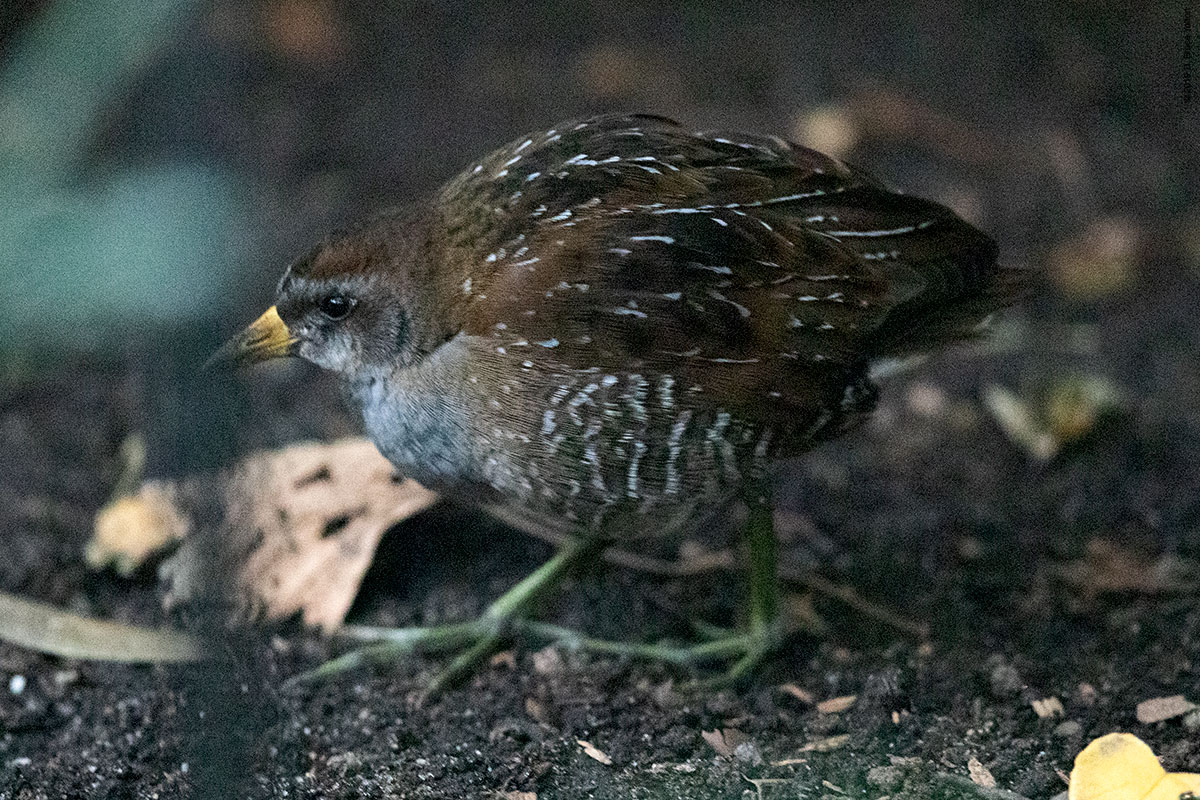
Madison Square Park had a Sora this afternoon. Lots of rare birds are showing up in small city parks this week!
A Virginia Rail was found by Roy Tsao on Saturday in Abington Square Park at 12th Street and Eighth Avenue in New York City. It alternated between being totally hidden to roaming the park looking for worms. In the video, you see two earthworms being consumed. This is a rare bird for Manhattan and to have it in a very small pocket park was highly unusual. These little parks continue to amaze us with what they can attract during migration.


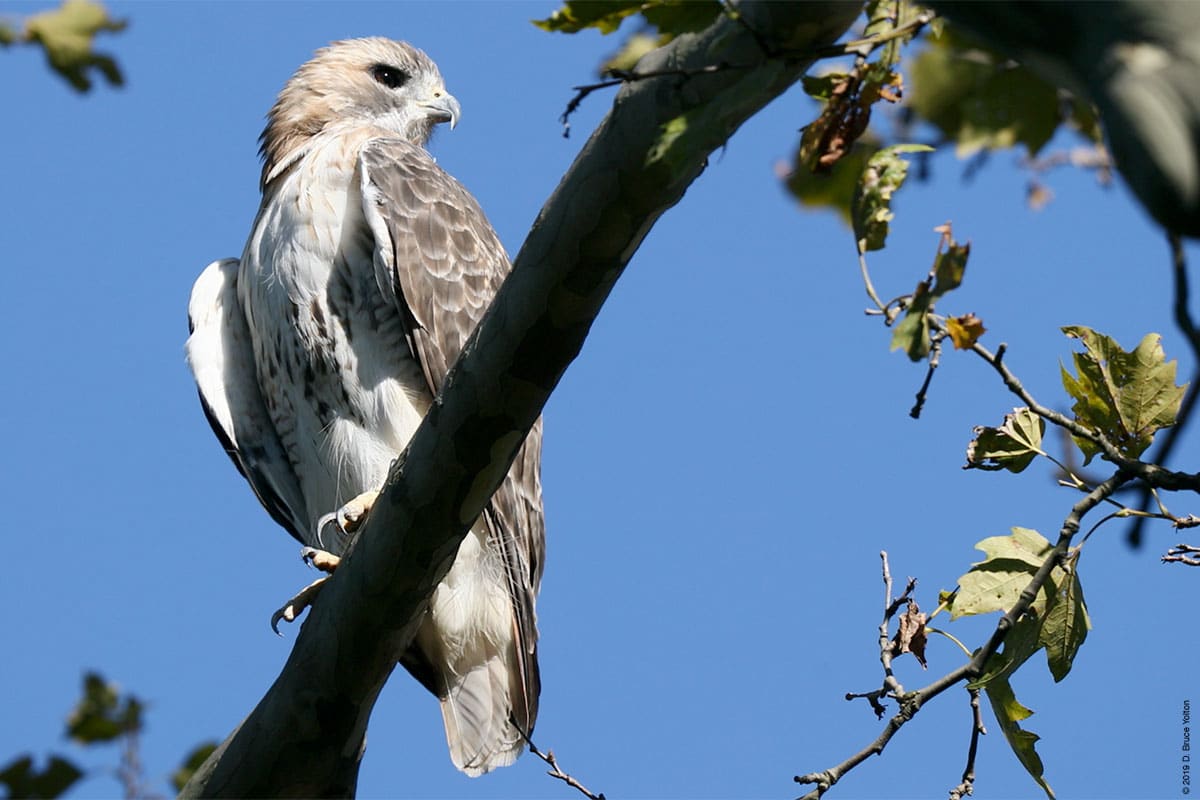
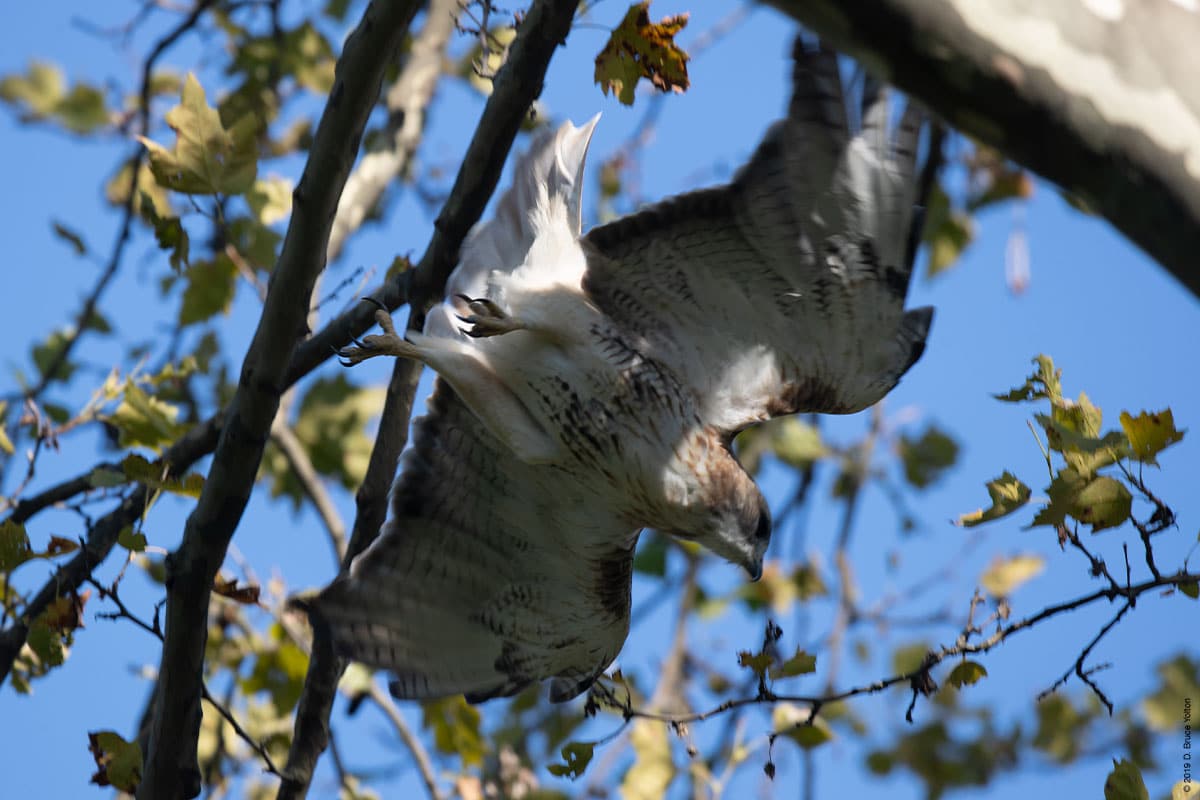
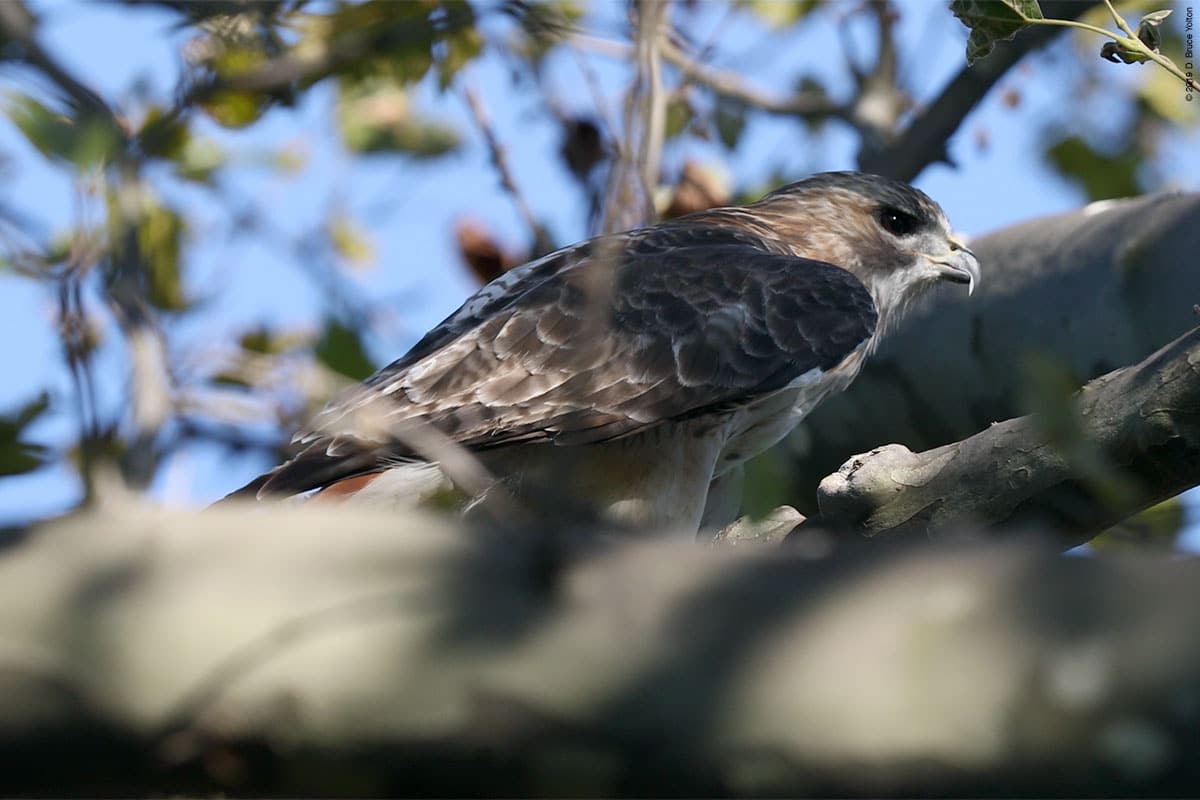
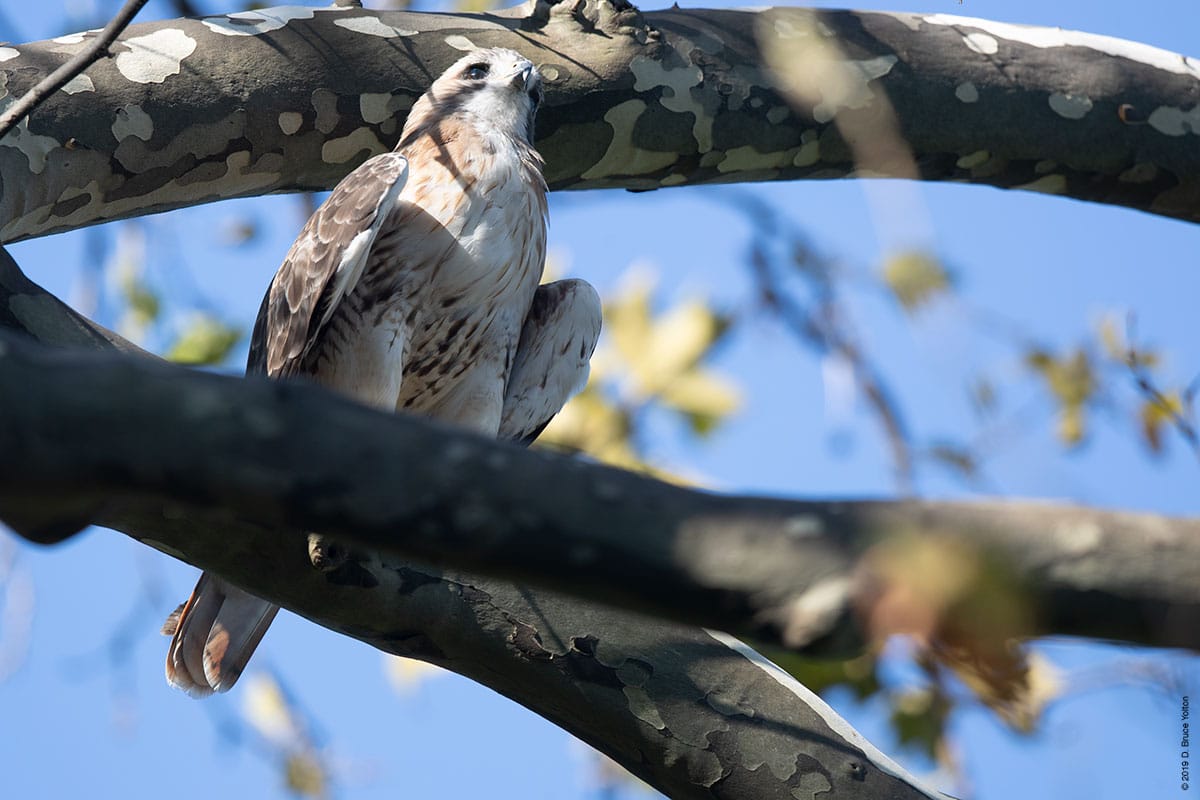
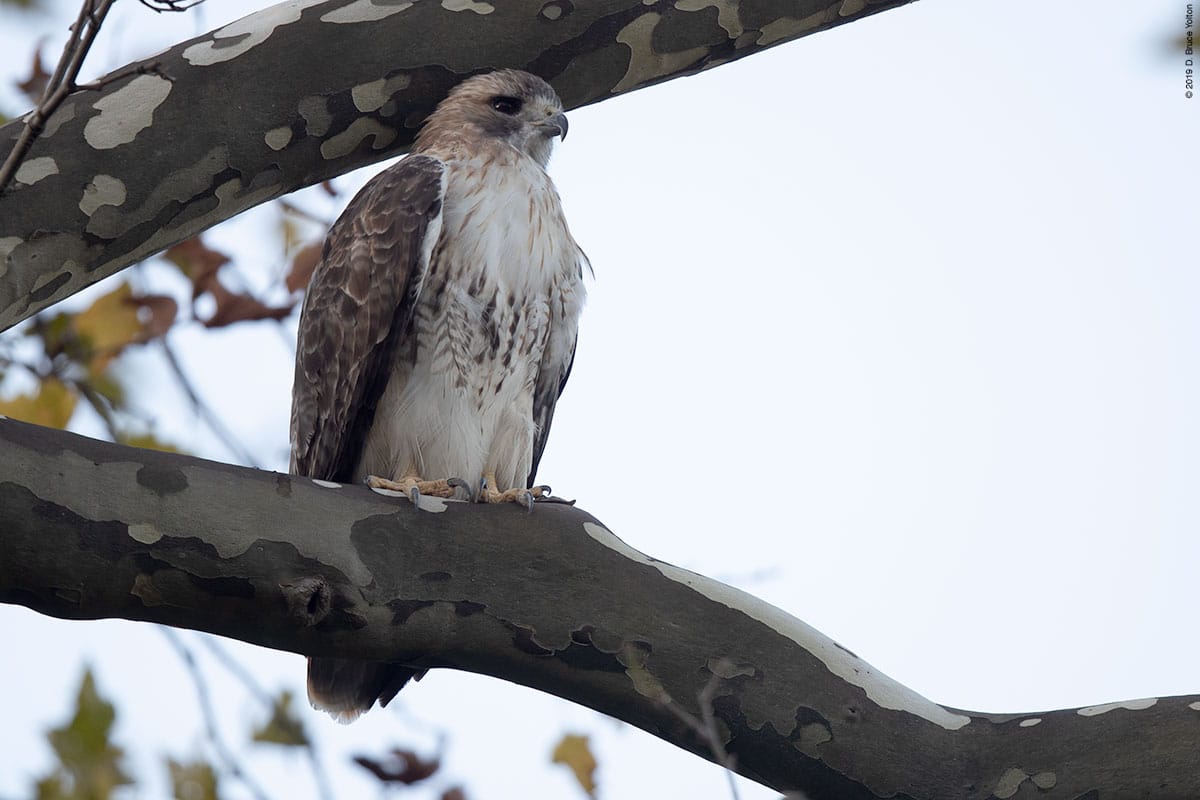
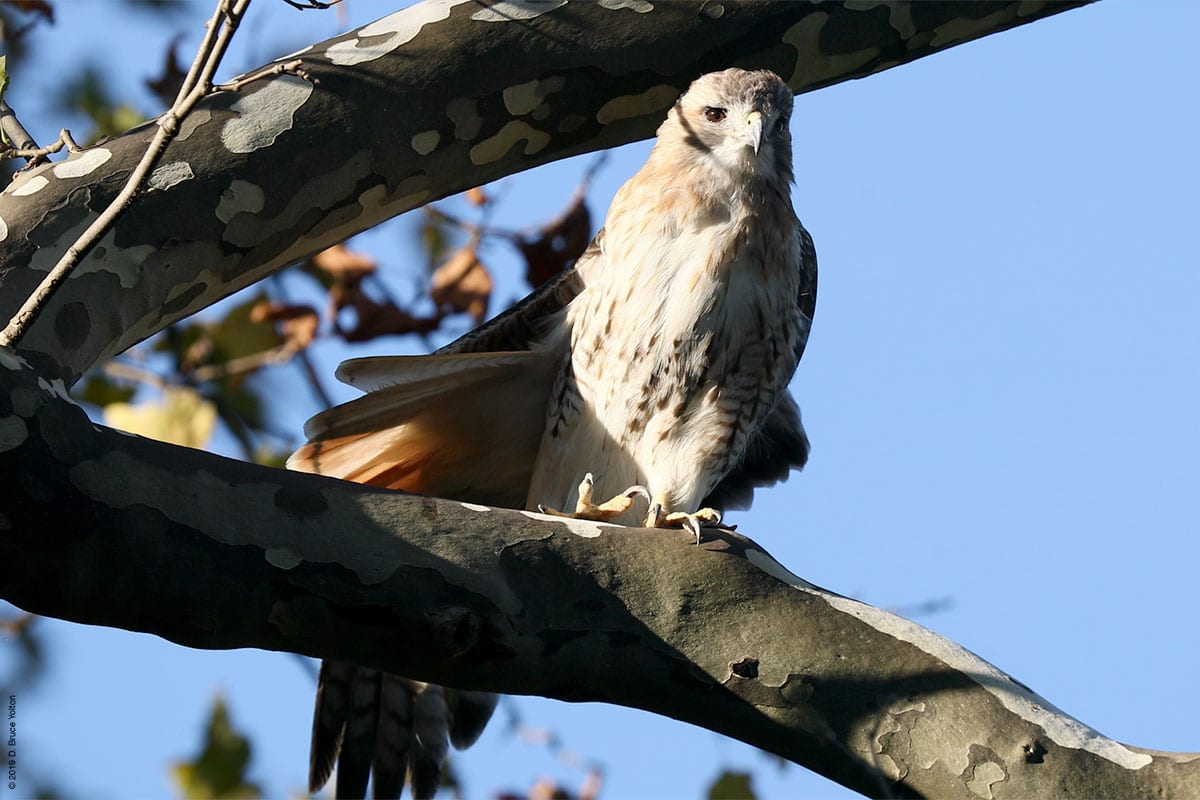
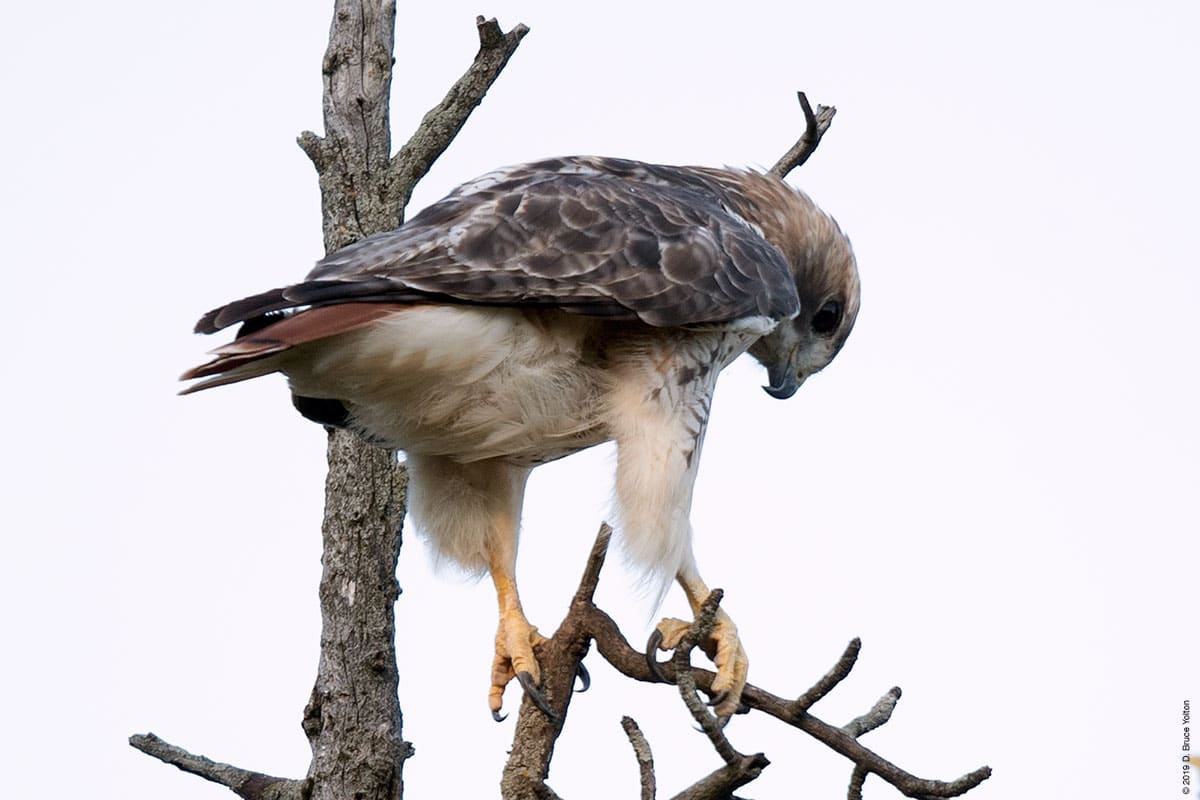
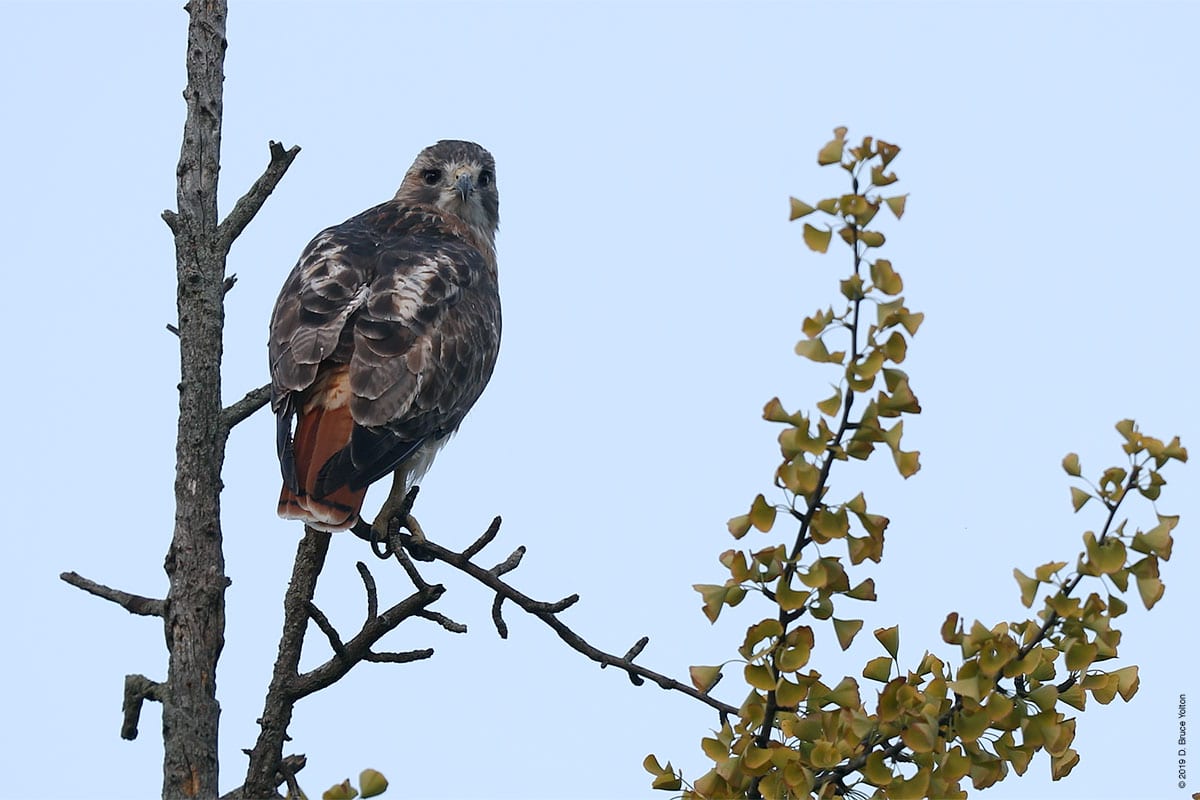
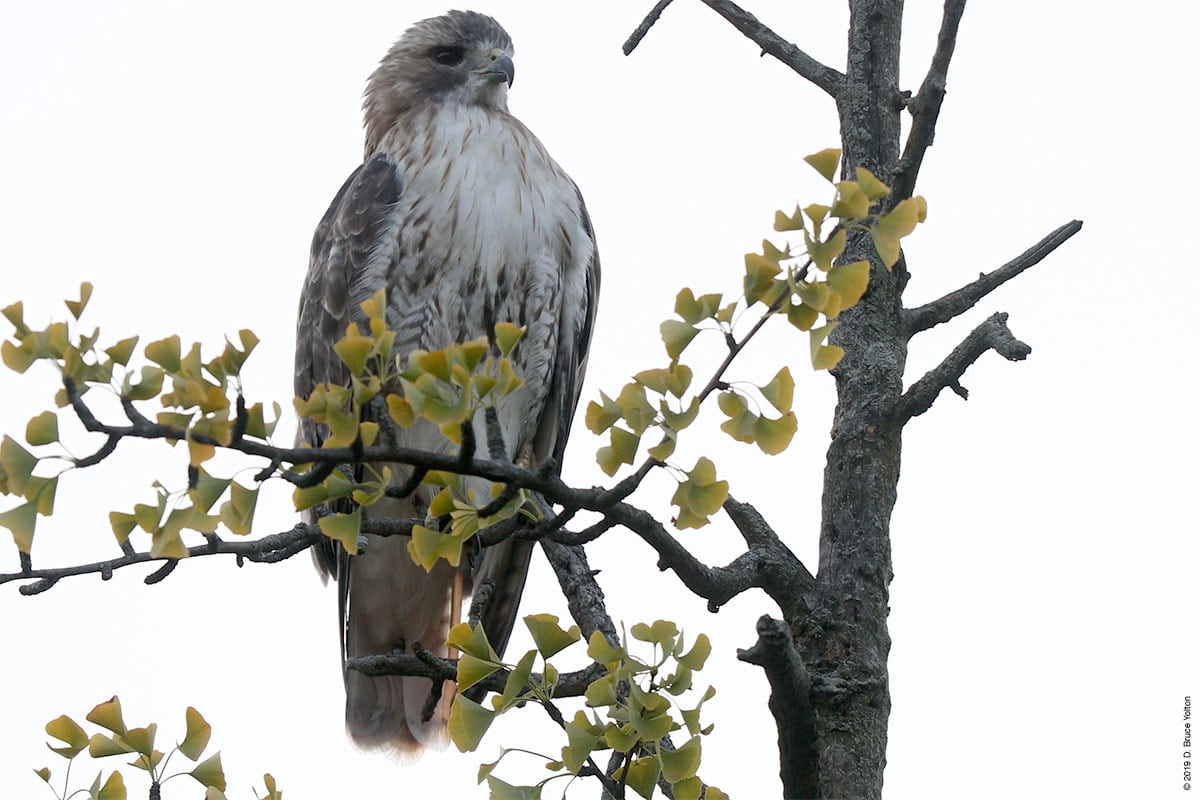
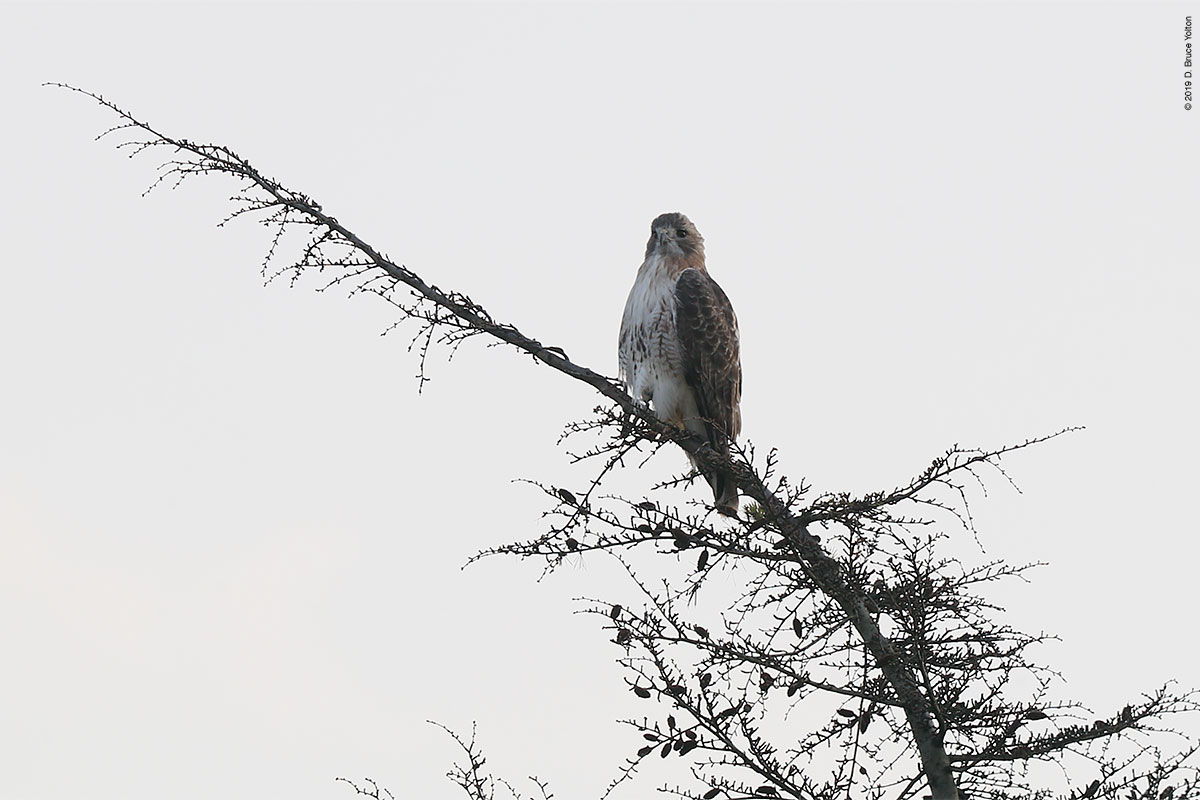
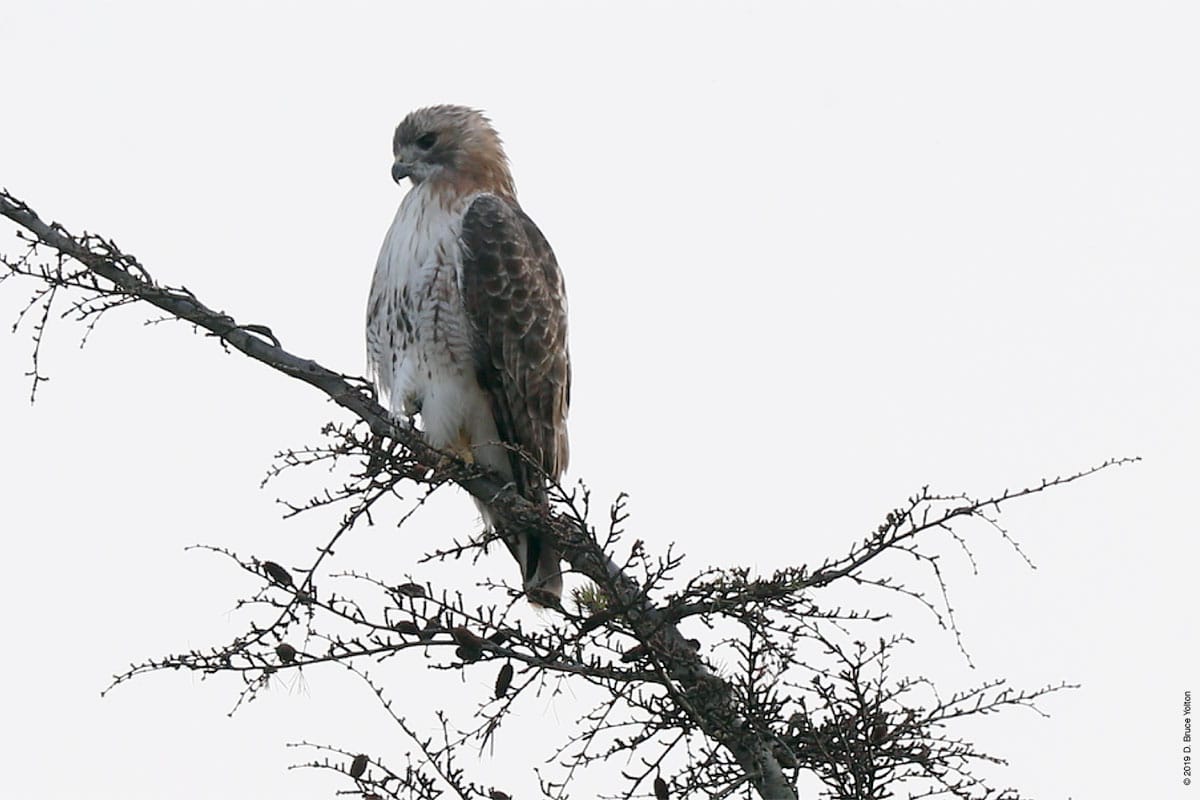
Pale Male was perched east of the Maintenance Building in the Ramble for most of the afternoon in Central Park on Saturday before going off to roost via a tree on Cedar Hill. He’s been hunting rodents, where he was perched, on earlier days this month.
A very cooperative American Bittern was in the fenced in area of the Tupelo Meadow in Central Park’s Ramble today. For the most part it perched on a rock and stayed still. But for about ten minutes, after a Cooper’s Hawk flew into the Tupelo Tree the American Bittern took a defensive posture, and for a brief time looked radically different almost doubling in size. The Cooper’s Hawk soon forgot about the Bittern and after about twenty minutes caught a Northern Flicker.


The Jewelweed is in full bloom and is attracting two birds, Ruby-throated Hummingbirds and Rose-breasted Grosbeaks. The huge patch in Strawberry Fields is gone, but large patches are in The Oven (an area of the Ramble off The Lake) and in the Loch of the North Woods. With some patience you will find both species of birds this time of year, if you find the Jewelweed patches.


Octavia, the female of the 927 Fifth Avenue nest was on the “Woody” building one block north of the nest late on Friday afternoon. (Woody Alan no longer lives in the Woody building, by the way.) Octavia was in to rush to leave, but eventually left and perched on a window railing at 70th and Fifth Avenue, which faces north and overlooks The Frick Collection’s garden.


